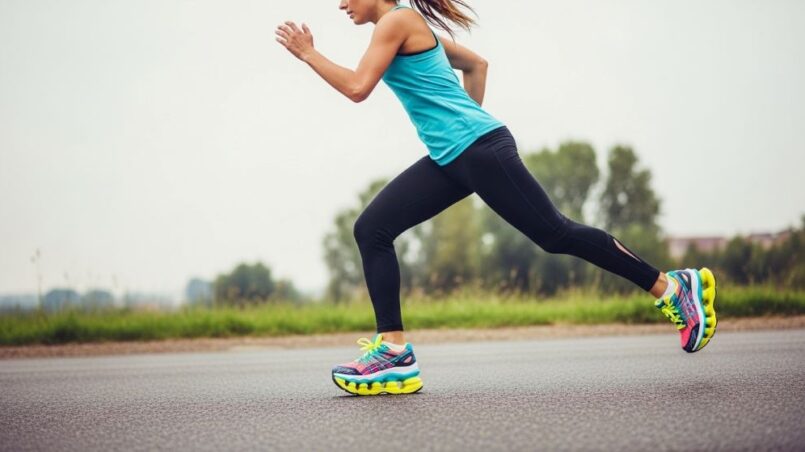
Running places tremendous stress on your body with every stride. Each foot strike generates force equal to two or three times your body weight. Over time, this repetitive impact can lead to discomfort, fatigue, and potential injuries. Maximum cushioning running shoes have emerged as a solution to these challenges, offering runners enhanced protection and comfort during their training sessions.
These specialized shoes feature thick midsoles designed to absorb shock and distribute impact forces more evenly across your feet. The technology behind modern cushioned footwear has evolved significantly, incorporating advanced materials and engineering principles. Understanding how these shoes work can help you make informed decisions about your running gear and potentially improve your overall running experience.
Understanding Impact Forces During Running
When you run, your body experiences significant mechanical stress. The ground reaction force travels upward through your feet, ankles, knees, hips, and spine. Research shows that runners typically take between 1,000 and 2,000 steps per mile, meaning your body must absorb hundreds of thousands of impacts during a typical training week.
Traditional running shoes offer moderate protection against these forces. However, they may not provide sufficient cushioning for runners who log high mileage, have a history of injuries, or prefer a softer landing. This is where maximum cushioning footwear becomes particularly valuable.
The impact absorption process begins the moment your foot contacts the ground. Without adequate cushioning, the shock wave travels rapidly through your skeletal system. This can contribute to various overuse injuries, including shin splints, stress fractures, and joint pain. Therefore, proper footwear selection plays a crucial role in injury prevention and running longevity.
The Science Behind Maximum Cushioning Technology
Maximum cushioning running shoes utilize advanced materials engineered to compress upon impact and quickly return to their original shape. Most modern plush running shoes incorporate specialized foam compounds that balance softness with responsiveness. These materials undergo extensive testing to ensure they maintain their protective properties across hundreds of miles.
EVA foam remains one of the most common cushioning materials, valued for its lightweight properties and durability. However, manufacturers have developed proprietary compounds that outperform traditional EVA. These next-generation materials offer superior energy return while maintaining excellent shock absorption capabilities.
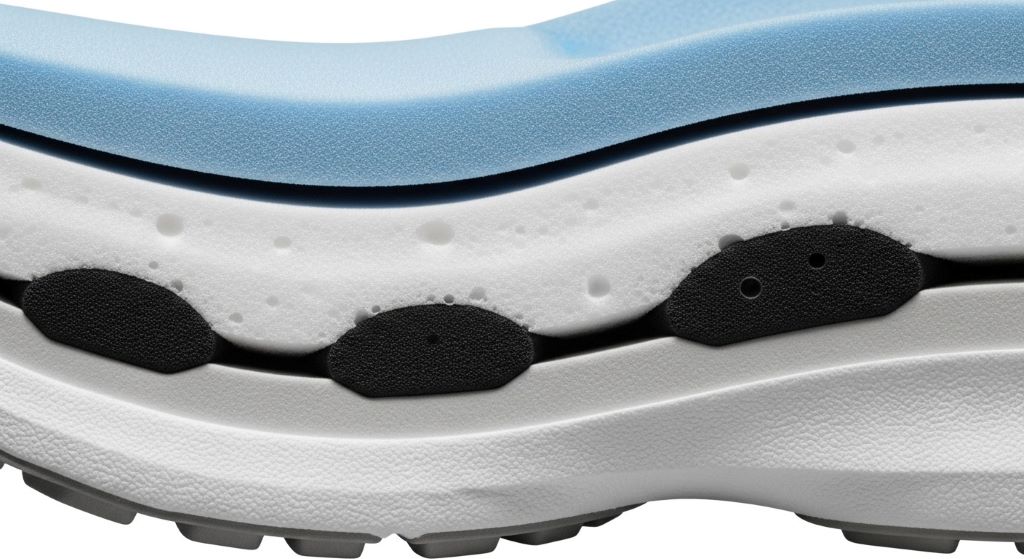
Additionally, many premium models feature multiple foam densities within a single midsole. Softer foam in high-impact zones provides cushioning, while firmer foam in other areas offers stability and guidance. This strategic placement optimizes both comfort and performance, creating a balanced ride that adapts to your running gait.
The geometry of the midsole also contributes to impact reduction. Thicker midsoles create more distance between your foot and the ground, allowing for greater compression and energy absorption. Some designs incorporate air chambers, gel pads, or mechanical cushioning systems that further enhance shock attenuation.
Key Benefits of Shock Absorption Footwear
Enhanced comfort represents the most immediately noticeable benefit of maximum cushioning shoes. The soft, plush feel reduces the harshness of each foot strike, making running feel more enjoyable. Many runners report that cushioned shoes allow them to maintain their pace longer without experiencing the same level of fatigue.
Injury prevention stands as another significant advantage. By reducing the peak impact forces transmitted to your body, these shoes may lower the risk of stress-related injuries. While cushioning alone cannot prevent all running injuries, it contributes to a more forgiving running experience, especially on hard surfaces like concrete and asphalt.
Recovery between runs often improves when using maximum cushioning footwear. The reduced stress on your muscles, tendons, and joints means your body requires less time to repair itself. Consequently, some runners find they can maintain higher training volumes or recover more quickly from intense workouts.
Versatility across different surfaces represents another practical benefit. Whether you run on roads, sidewalks, or packed trails, maximum cushioning provides consistent protection. The thick midsoles help smooth out minor irregularities in the running surface, creating a more uniform feel underfoot.
How Cushioned Shoes Improve Running Comfort
Comfort in running shoes extends beyond simple softness. The best plush running shoes create a harmonious relationship between cushioning, fit, and stability. Upper materials must accommodate foot swelling during long runs while maintaining a secure feel. Seamless construction reduces friction points that could cause blisters or hot spots.
The cushioning system works in concert with the shoe’s geometry to create a smooth transition from heel strike to toe-off. Modern designs feature rocker profiles that encourage natural foot motion, reducing the muscular effort required for each stride. This efficiency translates to less fatigue and greater comfort over distance.
Temperature regulation also impacts comfort levels. Maximum cushioning shoes often incorporate breathable mesh uppers that promote airflow around your feet. Some models include moisture-wicking liners that help manage sweat, preventing the discomfort associated with wet, soggy shoes during long runs.
Furthermore, the psychological aspect of comfort should not be underestimated. Knowing you have substantial protection underfoot can increase confidence, especially when running on unforgiving surfaces. This mental reassurance may help you relax and enjoy your run more fully.
Choosing the Right Maximum Cushioning Shoes
Selecting appropriate footwear requires consideration of multiple factors. Your body weight influences how much cushioning you need, as heavier runners generate greater impact forces. Running surface matters too, with harder surfaces generally requiring more protection than softer trails or tracks.
Your running gait pattern should inform your shoe selection. Neutral runners have more options available, while those who overpronate may benefit from cushioned stability shoes. Visiting a specialty running store for a gait analysis can provide valuable insights into which shoes will work best for your biomechanics.
Weekly mileage represents another important consideration. Runners logging 40 or more miles per week place greater demands on their shoes and bodies. Maximum cushioning becomes increasingly beneficial as training volume rises, helping to manage the cumulative stress of high mileage.
Additionally, consider your injury history and any specific areas of concern. Runners with a history of knee problems, plantar fasciitis, or stress fractures may find that shock absorption footwear reduces discomfort and helps prevent recurring issues. However, remember that shoes alone cannot solve underlying biomechanical problems.
Balancing Cushioning with Other Performance Factors
While maximum cushioning offers numerous benefits, it represents just one aspect of shoe performance. Responsiveness determines how much energy the shoe returns with each stride. Some heavily cushioned shoes feel sluggish, while others maintain a lively, energetic feel despite their thick midsoles.
Weight considerations become relevant for certain runners and race distances. Maximum cushioning shoes typically weigh more than minimalist alternatives. However, advances in foam technology have produced remarkably lightweight options that deliver substantial cushioning without excessive bulk.
Stability features may be necessary for runners whose feet roll inward excessively during the gait cycle. Some maximum cushioning shoes incorporate medial posts or guide rails that provide gentle support without sacrificing comfort. These hybrid designs address multiple needs simultaneously.
Ground feel varies significantly among different models. Some runners prefer to feel the surface beneath them, while others appreciate a more insulated experience. Testing different options helps you determine where you fall on this spectrum and which level of cushioning feels most natural.
Common Misconceptions About Plush Running Shoes
A persistent myth suggests that maximum cushioning weakens foot and leg muscles. Research does not support this claim for most recreational runners. In fact, the reduced impact stress may allow muscles and tendons to function more efficiently over long distances.
Some believe that softer shoes automatically cause instability. Modern designs demonstrate that substantial cushioning and stability can coexist. Engineers have developed innovative solutions that provide plush comfort without compromising balance or control.
Another misconception holds that cushioned shoes only suit slow runners. Elite athletes frequently train in maximum cushioning shoes, recognizing their value for recovery runs and high-mileage weeks. Speed comes from the runner, not solely from the shoes.
The idea that you need minimal cushioning to run naturally also lacks scientific backing. Human ancestors did not run on concrete sidewalks or asphalt roads. Modern surfaces justify modern solutions, and cushioning helps bridge the gap between contemporary running environments and human physiology.
Maintenance and Lifespan Considerations
Proper care extends the functional life of your shoes. Rotating between multiple pairs allows the foam to fully recover between runs, potentially increasing overall durability. Avoid leaving shoes in hot cars or direct sunlight, as heat can degrade cushioning materials prematurely.
Most running shoes require replacement every 300 to 500 miles. Maximum cushioning models may show less visible wear on outsoles due to the thick midsoles, but the cushioning properties still degrade with use. Pay attention to how your shoes feel rather than relying solely on visual inspection.
Tracking your mileage helps you know when replacement becomes necessary. Many running apps and watches include shoe tracking features. When you notice decreased cushioning, responsiveness, or new aches and pains, consider getting fresh shoes.
Proper fit remains crucial throughout the shoe’s lifespan. As cushioning compresses over time, the fit may change slightly. If your shoes begin to feel loose or unstable, this often signals that replacement time has arrived, even if the outsole appears intact.
The Future of Cushioning Technology
Innovation continues to drive improvements in running shoe design. Manufacturers experiment with new foam formulations, carbon fiber plates, and hybrid cushioning systems. These advancements aim to deliver ever-greater comfort without sacrificing other performance attributes.
Customization represents an emerging trend in the industry. Some companies now offer shoes with adjustable cushioning or personalized midsoles based on individual biomechanics. As technology advances, truly tailored footwear may become more accessible to everyday runners.
Sustainability concerns are influencing material choices and manufacturing processes. Brands are developing cushioning compounds from renewable resources and designing shoes that can be recycled at end of life. This environmental consciousness need not compromise performance.
Data-driven design continues to refine cushioning technology. Biomechanics laboratories study thousands of runners to understand exactly how feet interact with shoes during various activities. These insights inform the next generation of comfort innovations, promising even better solutions for impact reduction and overall running enjoyment.
Conclusion
Maximum cushioning running shoes represent a significant advancement in footwear technology, offering runners enhanced protection against the repetitive impact forces inherent in the sport. By incorporating advanced materials and thoughtful design, these shoes reduce stress on your body while improving overall comfort during training and racing.
The benefits extend beyond simple cushioning. Modern shock absorption footwear balances comfort with responsiveness, stability, and durability. Whether you are a high-mileage runner seeking injury prevention, a beginner looking for forgiving footwear, or an experienced athlete prioritizing recovery, maximum cushioning shoes provide valuable advantages.
Selecting the right shoes requires consideration of your individual needs, running style, and preferences. However, the investment in quality plush running shoes often pays dividends in terms of enjoyment, performance, and longevity in the sport. As technology continues to evolve, runners can expect even more sophisticated solutions that make running more comfortable and accessible for everyone.
Frequently Asked Questions
How do maximum cushioning running shoes differ from regular running shoes?
Maximum cushioning shoes feature significantly thicker midsoles with advanced foam compounds designed to absorb more impact than traditional running shoes. They provide enhanced shock absorption and comfort, particularly beneficial for high-mileage runners, those recovering from injuries, or anyone seeking extra protection during runs.
Will heavily cushioned shoes slow down my running pace?
Modern maximum cushioning shoes use lightweight, responsive materials that minimize speed penalties. While they weigh slightly more than racing flats, most runners do not experience significant pace reductions. Many elite athletes use cushioned shoes for training while maintaining excellent performance.
How often should I replace my maximum cushioning running shoes?
Most running shoes need replacement every 300 to 500 miles, depending on your weight, running style, and surfaces. Monitor how your shoes feel rather than just looking at wear patterns. When cushioning feels less responsive or you develop new discomfort, consider getting fresh shoes.
Can maximum cushioning shoes help prevent running injuries?
While no shoe guarantees injury prevention, maximum cushioning can reduce impact stress on joints, muscles, and connective tissues. This may lower the risk of stress-related injuries. However, proper training, adequate recovery, and addressing biomechanical issues remain equally important for staying healthy.
Are maximum cushioning shoes suitable for all types of runners?
Maximum cushioning shoes benefit many runners, including beginners, high-mileage trainers, heavier runners, and those with injury histories. However, individual preferences vary. Some runners prefer minimal cushioning for better ground feel. Testing different options helps determine what works best for your specific needs and running style.
Related Topics:
What colors favor according to skin, hair and eyes
