

You’re standing in a crowded metro station, your wallet in your front pocket, your phone clutched in your sweaty hand. You feel a nudge, then nothing—until you reach for your wallet and realize it’s gone. This is the nightmare every traveler dreads.
The solution isn’t to travel less; it’s to travel smarter. An anti theft sling bag travel sling bag is specifically designed to stop thieves before they strike, combining secure compartments, cut-resistant materials, and hands-free convenience. In this guide, I’ll show you exactly how to choose one that fits your travel style, budget, and safety needs.
What Exactly Makes a Sling Bag “Anti Theft”?
An anti theft sling bag uses specialized design features to prevent unauthorized access and theft. The key elements include hidden zippers, lockable compartments, RFID-blocking pockets, and slash-resistant fabric. Unlike a standard backpack or messenger bag, these bags prioritize security without sacrificing everyday usability. Look for features like a strap that can be locked to a fixed object and pockets that face your body, effectively eliminating pickpocketing opportunities.
Core Anti Theft Features Explained
- Cut-resistant straps: Steel wire or Kevlar reinforcement woven into the strap prevents a thief from slashing the strap and running off with your bag.
- Lockable zippers: Small metal loops or clasps allow you to attach a small padlock, keeping main compartments sealed.
- RFID-blocking material: A metallic lining inside certain pockets blocks electromagnetic signals from reading your credit cards and passport chip.
- Hidden pockets: Compartments located against your back or under a flap remain invisible to anyone behind you.
Why Should You Choose a Sling Bag Over a Backpack for Travel?
A sling bag offers superior security because it stays within your peripheral vision and sits firmly against your body. Unlike a backpack, which hangs behind you completely out of sight, a sling bag can be worn on your front or side. This single difference dramatically reduces theft risk. In crowded areas like markets, subways, or festival grounds, a backpack is an open invitation. A sling bag keeps your valuables in your direct line of sight at all times.
Comparing Security: Sling Bag vs. Backpack vs. Crossbody
| Bag Type | Visibility of Contents | Ease of Theft | Hands-Free |
|---|---|---|---|
| Backpack | Poor (behind you) | High | Yes |
| Standard Crossbody | Good (on your hip) | Medium | Yes |
| Anti Theft Sling Bag | Excellent (front/side) | Very Low | Yes |
How Do You Identify a High-Quality Anti Theft Sling Bag?
Check the zipper quality and strap construction first. A cheap bag with flimsy zippers is useless for security. Look for YKK or similar trusted zipper brands. The main compartment should have at least one lockable clasp. Next, test the strap for flexibility and feel for any internal wire mesh that indicates cut-resistance. Finally, examine the stitching—double or triple stitching around stress points indicates durability. A quality bag should feel substantial but not excessively heavy.
Key Quality Indicators
- Zippers: Should glide smoothly without catching. Metal zippers are stronger than plastic ones.
- Strap padding: Thick padding (at least 2 cm) distributes weight and prevents shoulder fatigue during long walks.
- Back ventilation: A breathable mesh back panel prevents sweat buildup in warm climates.
- Water resistance: Coated nylon or polyester fabric protects your valuables from rain.
What Size Anti Theft Sling Bag Should You Get for Travel?
Choose a bag between 4 and 8 liters for day trips and city exploration. A 4-liter bag fits a phone, wallet, passport, power bank, and small water bottle. An 8-liter bag can hold a tablet, light jacket, snacks, and a compact camera. For longer excursions or carry-on travel, consider a 10–15 liter sling that fits under an airplane seat. Be honest with yourself about what you actually carry daily—an oversized bag defeats the purpose by encouraging you to bring unnecessary items.
Size Guide by Travel Scenario
- Minimalist city traveler (4–6 L): Phone, wallet, passport, keys, headphones.
- Day hiker or museum visitor (6–8 L): Add a 500ml water bottle, small umbrella, and sunglasses case.
- Remote worker or student (10–12 L): Fits an iPad, notebook, power bank, and a thin sweater.
- One-bag weekend traveler (12–15 L): Can hold a change of clothes, toiletries, and tablet.
Which Security Features Should You Prioritize for Different Destinations?
Your destination dictates your security priorities. In Europe’s crowded tourist zones, prioritize lockable zippers and hidden pockets because pickpocketing is the main threat. In South America or parts of Asia where bag snatching from scooters occurs, prioritize cut-resistant straps and a robust strap lock. For business travelers in airports, RFID-blocking pockets are critical to protect credit cards and passports from electronic skimming. Match your bag’s features to the specific crime patterns of your destination.
Destination-Specific Feature Checklist
- Europe (tourist zones): Hidden back pocket, lockable main zipper, minimal branding.
- Latin America: Cut-resistant strap, heavy-duty zippers, small padlock included.
- Southeast Asia: Water resistance, quick-access phone pocket, lightweight fabric.
- Airport/transit: RFID-blocking passport slot, separate tablet compartment, TSA-friendly design.
Can an Anti Theft Sling Bag Be Stylish and Functional?
Absolutely. Modern anti theft sling bags come in a wide range of designs, from sleek leather options for urban professionals to sporty nylon versions for adventurers. Look for clean lines, muted colors like black, navy, or olive, and minimal visible logos. A stylish bag doesn’t scream “tourist,” which is actually a security advantage—it makes you less of a target. Brands now recognize that travelers want security without looking like they’re carrying a bank vault.
Style Tips for Blending In
- Choose neutral colors: Black, charcoal, brown, or tan works in almost any setting.
- Avoid large logos: Flashy logos attract attention and signal expensive gear.
- Consider fabric texture: Canvas or soft-touch nylon looks casual; pebbled leather looks professional.
- Check strap adjustability: A bag that sits at your natural waist looks intentional, not awkward.
How Should You Wear an Anti Theft Sling Bag for Maximum Security?
Wear the bag across your body with the main compartment facing your chest or slightly toward your side. Adjust the strap so the bag sits high under your armpit—this makes it nearly impossible for someone to open the zipper without you noticing. In extremely crowded areas, slide the bag around to your front completely. For added security, tuck the excess strap back into itself to prevent anyone from grabbing it. Never wear the bag on just one shoulder where it can easily slip off.
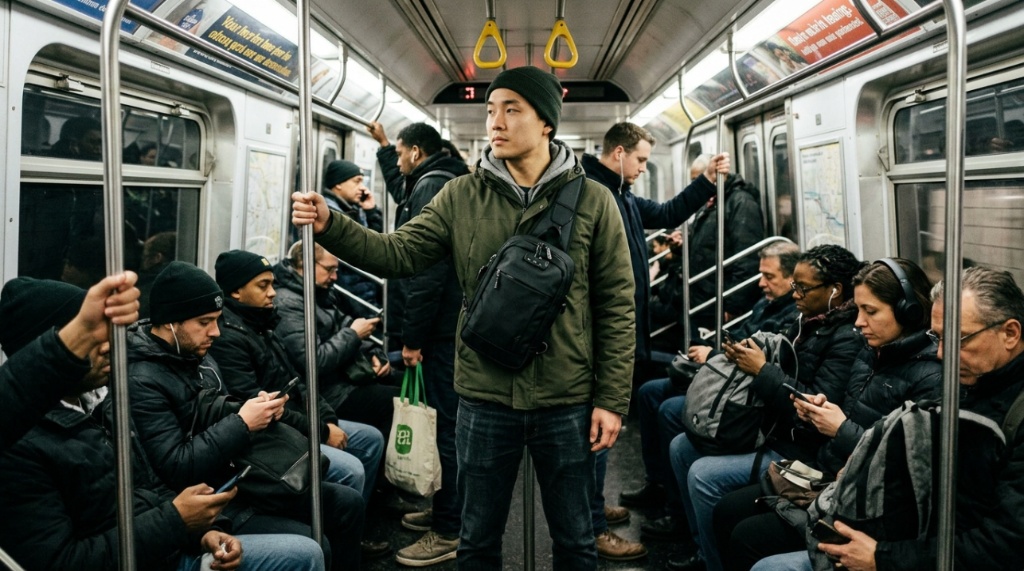
The Correct Wearing Technique
- Slip the strap over your head and one arm so the bag rests on your opposite hip.
- Tighten the strap until the bag sits at your natural waistline or slightly higher.
- Rotate the bag so the zippers face toward your body, not outward.
- In crowds or on trains, move the bag fully to the front of your chest.
- Tuck in any dangling strap ends to prevent grabbing.
When Should You Upgrade Your Current Travel Bag to an Anti Theft Model?
Upgrade immediately if you frequently travel to high-risk areas like major European cities, bus terminals in developing countries, or any large public event where crowds form. Also upgrade if your current sling bag lacks lockable zippers or has a single thin strap that could be easily cut. If you’ve ever lost a wallet or phone while traveling, the upgrade is mandatory. The peace of mind alone makes the switch worthwhile for frequent travelers.
Signs You Need an Upgrade
- Your bag has a single compartment: No separation for valuables.
- Your zippers are exposed and unsecured: Anyone can open them.
- Your strap is less than 1 inch wide: Easy to cut or break.
- You cannot lock the main compartment: No built-in locking loop.
- You have been pickpocketed before: Prevention is better than cure.
Is an Anti Theft Sling Bag Worth the Extra Cost?
Yes, if you value your peace of mind and the security of your valuables. A quality anti theft sling bag costs between $40 and $120, which is a fraction of what you might lose in a single theft incident. Consider it insurance. A basic bag may cost $15–20, but its lack of security features makes it a liability. Spending the extra money on a bag with lockable zippers, cut-resistant straps, and RFID protection is a smart financial decision for any traveler.
While keeping your gear secure during city transit is crucial, different destinations require different styles. If you’re planning a coastal getaway next, check out our guide on finding stylish beach bags for teens without overspending to stay trendy on a budget
Cost-Benefit Breakdown
| Bag Type | Average Price | Security Level | Estimated Value Protected |
|---|---|---|---|
| Basic sling bag | $15–25 | Low | Variable |
| Standard anti theft | $40–70 | Medium-High | $500–1,500+ |
| Premium anti theft | $80–150 | High | $2,000+ |
What Should You Pack Inside Your Anti Theft Sling Bag?
Keep your most valuable items—passport, credit cards, cash, phone—in the hidden back pocket that sits against your body. Place secondary items like a power bank, snacks, or a map in the main compartment. Use the front zip pocket for items you need frequently, like hand sanitizer, lip balm, or transit tickets. Reserve the RFID-blocking pocket exclusively for your wallet or passport case. This organization ensures that if someone does access the main compartment, they still cannot reach your core valuables.
Ideal Packing Order for Security
- Hidden back pocket: Passport, main credit card, emergency cash.
- RFID-blocking pocket: Wallet with remaining cards and ID.
- Main compartment: Power bank, snacks, small notebook, reusable bag.
- Front quick-access pocket: Phone, transit card, sanitizer, lip balm.
- Side mesh pocket (if available): Collapsible water bottle or umbrella.
For a curated selection of affordable options that balance security with everyday style, explore our guide to the best anti theft sling bag travel sling bag options available today.
Frequently Asked Questions
Can I take an anti theft sling bag as a personal item on a plane?
Yes, most airlines allow sling bags as personal items if they fit under the seat in front of you. Stick to bags under 15 liters to ensure compliance with standard airline dimensions.
How do I clean an anti theft sling bag?
Most nylon or polyester bags can be hand-washed with mild soap and water. Avoid machine washing, which can damage the RFID lining or cut-resistant straps. Air dry thoroughly away from direct heat.
Are anti theft sling bags heavy?
Not significantly. The addition of RFID lining and wire-reinforced straps adds only a few ounces to the overall weight. The difference is usually less than 150 grams, which is negligible for daily wear.
Can I lock the zippers without a separate padlock?
Some bags include a locking mechanism that works with a small combination lock built into the zipper pull. Others require a separate mini padlock. Check the product description for details before purchase.
Do anti theft sling bags work for men and women equally?
Yes. Most designs are unisex and adjustable to fit any body type. Look for bags with adjustable straps (typically 40–55 inches) to ensure a comfortable fit regardless of height or gender.
How long does an anti theft sling bag typically last?
With proper care, a quality bag lasts between 2 and 5 years of regular travel use. The zippers and strap mechanism are usually the first components to show wear, while the fabric itself remains intact much longer.
Is RFID protection really necessary for travel?
RFID skimming is relatively rare but possible in crowded tourist areas and near transit hubs. For the small weight and cost addition, it is worthwhile protection. Prioritize it if you carry contactless cards or passports.
Conclusion
Choosing the right anti theft sling bag is your first line of defense against travel theft. Focus on lockable zippers, cut-resistant straps, and hidden compartments that match your specific destination risks. Keep your bag size between 4 and 8 liters for daily use, wear it across your body with the zippers facing inward, and organize your valuables by priority. Upgrading from a standard bag is a small investment that protects your phone, passport, and peace of mind. Your next trip deserves the security of a bag that works as hard as you do—so pick one that fits your style, your budget, and your safety needs. Travel smarter, worry less, and keep your essentials exactly where they belong: with you.