
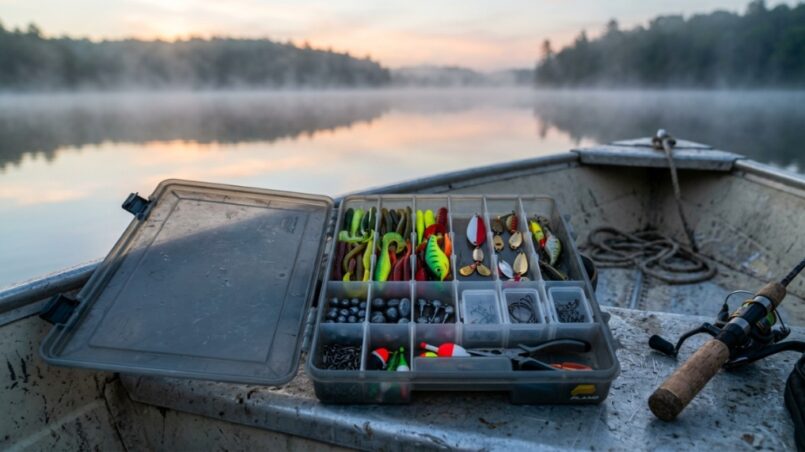
You stand in the tackle aisle, staring at a wall of glittering plastic and metal, wondering why a single piece of painted metal costs twenty bucks. The good news is that you do not need to empty your wallet to fill your cooler.
The secret lies in choosing affordable fishing lures beginner fishing lures that are designed to work, not just look good. Many beginners fall into the trap of buying expensive, flashy lures that fail to produce, while budget-friendly options often outperform them when used correctly. This guide will show you exactly how to build a winning tackle selection without overspending, focusing on lures that trigger strikes, not just attract your wallet.
Why Do Expensive Lures Not Always Catch More Fish?
Price does not equal performance in the fishing world. Many expensive lures rely on marketing gimmicks, exotic paint jobs, or brand prestige rather than proven fish-catching action. A simple, well-designed lure that runs true and matches local forage will almost always outperform a pricey alternative that looks unnatural in the water.
The primary reason budget lures often fail is poor quality control, not poor design. Cheap manufacturing can lead to weak hooks, brittle split rings, and paint that chips after one cast. However, many affordable brands now use the same molds and materials as expensive counterparts, simply skipping the fancy packaging and big marketing budgets. The key is identifying which budget lures maintain proper action and reliable hardware.
Fish do not care about brand names. They react to size, color, action, and presentation. A $3 spinnerbait that vibrates correctly and has sharp hooks will catch more fish than a $15 version that wobbles oddly. Focus on the lure’s swimming action and hook quality rather than the price tag.
What Makes a Fishing Lure Affordable Without Sacrificing Quality?
An affordable fishing lure balances four critical factors: material quality, hook sharpness, action consistency, and durability. The best budget lures use injection-molded plastics or stamped metal bodies with decent paint jobs, paired with chemically sharpened hooks that do not bend easily.
Look for these quality indicators in budget lures:
- Sharp hooks straight out of the package – This is non-negotiable. Dull hooks lose fish.
- Solid split rings – Cheap rings open under pressure, losing you fish and lures.
- Consistent swimming action – Test the lure in water if possible. It should run true without tilting.
- Durable finish – Paint should not peel after a few casts. UV-cured finishes last longer.
- Reinforced line tie – Cracked or weak line ties snap at the worst moment.
A great way to test quality without risk is to purchase affordable fishing lures beginner fishing lures from reputable value kits. These bundles often include multiple proven patterns, allowing you to experiment without committing to expensive single lures. The savings let you buy more variety, which directly increases your chances of matching what the fish are eating that day.
Which Types of Lures Should Beginners Start With?
Beginners should focus on five lure types that cover most fishing situations: soft plastic worms, inline spinners, crankbaits, spinnerbaits, and jigs. These lures are versatile, easy to use, and widely available in budget-friendly options.
Soft Plastic Worms
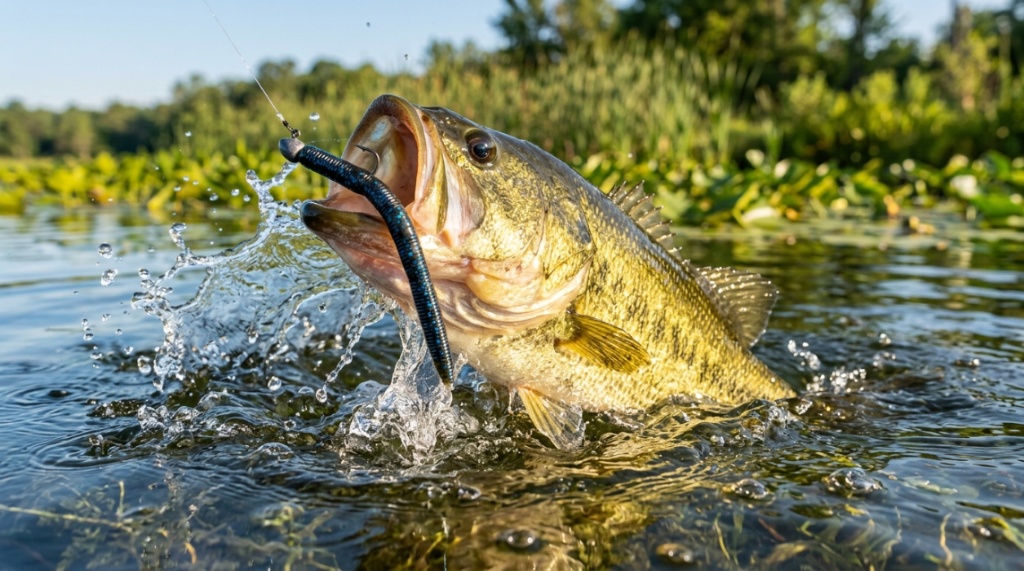
These are arguably the most effective and affordable lures ever created. A pack of ten quality worms costs around $3-5 and can catch bass, walleye, panfish, and even trout. Texas-rig them weedless for heavy cover or wacky-rig them for open water. The action comes from your rod tip, not expensive engineering, making them perfect for beginners.
Inline Spinners
Spinners like the classic Rooster Tail or Mepps Aglia are simple machines. A spinning blade creates flash and vibration, attracting fish through sight and lateral line. They are nearly impossible to fish wrong. Cast, retrieve, repeat. Sizes 1 to 3 cover most freshwater species. Budget versions work nearly as well as name brands because the design is so simple.
Crankbaits
These hard-bodied lures dive to specific depths and imitate fleeing baitfish. Choose a shallow diver (2-4 feet) and a medium diver (6-8 feet) to cover most water columns. Budget crankbaits often lack internal rattles or have cheap lip shapes, so stick with established value brands that use neutral buoyancy and proper lip angles.
Spinnerbaits
A spinnerbait combines a lead head, wire frame, skirt, and spinning blades. It is an excellent search bait that can be retrieved slowly or burned fast. Budget spinnerbaits often fail due to weak wire frames or blades that do not spin freely. Test the blade rotation before buying.
Jigs with Soft Plastic Trailers
A simple jig head paired with a soft plastic trailer is incredibly effective and cheap. The jig head costs pennies to manufacture, and you can buy bulk packs for under $10. This combination catches everything from bluegill to pike, depending on size. Choosing the right bait is only half the battle. To ensure your budget setup performs flawlessly on the water, pair your bait with one of these Affordable Fishing Reels That Cast Smoothly Every Time.
How Can You Test a Lure’s Action Before Buying?
You can test lure action without water by holding the line tie and moving the lure through the air. A well-balanced lure will track straight and vibrate consistently. Tilt it side to side; it should not lean excessively. Check that hooks hang symmetrically and do not foul the line tie.
For a more thorough test, bring a clear plastic container or bucket of water to the tackle shop if allowed. Drop the lure in and watch how it sinks. A sinking lure should fall horizontally, not nose-first or tail-first. Jerk it gently; it should dart naturally. Many budget lures fail here because the weight distribution is off.
Online shoppers can read reviews focusing on action and durability. Search specifically for terms like “runs true,” “balanced,” and “good action.” Avoid reviews that only praise aesthetics. A lure can look amazing but swim like a wounded brick.
When Should You Replace Cheap Lures Versus Upgrading?
Replace cheap lures when hooks rust or become dull, split rings open, or the body cracks. Upgrading to slightly better versions makes sense when you lose fish consistently due to hardware failure. A $3 lure that loses a trophy fish is expensive. A $7 lure that lands it is a bargain.
Consider upgrading these components on budget lures:
- Hooks – Replace with high-quality trebles or single hooks. This is the cheapest upgrade with the biggest impact.
- Split rings – Upgrade to welded or heavy-duty split rings.
- Skirt material – Replace cheap rubber skirts with silicone versions that have better action and durability.
- Trailers – Add a quality soft plastic trailer to improve action and appeal.
If the lure body itself is poorly balanced or cracked, replace it entirely. No amount of upgrades fixes a fundamentally flawed design. Stick with proven body shapes from reputable budget manufacturers.
Can Color Really Make or Break an Affordable Lure?
Color matters, but far less than action, size, and presentation. In clear water, natural patterns like green pumpkin, watermelon, and shad imitate real prey. In stained or muddy water, bright colors like chartreuse, fire tiger, and white create visibility and trigger reaction strikes.
A simple color selection system for beginners:
| Water Condition | Recommended Colors | Example Patterns |
|---|---|---|
| Clear water (visibility over 4 feet) | Natural, translucent | Green pumpkin, smoke, shad, crawfish |
| Stained water (1-4 feet visibility) | Chartreuse, white, pink, orange | Chartreuse white, pink glitter, fire tiger |
| Muddy water (less than 1 foot) | Bright, dark contrast | Black blue, black red, bright chartreuse |
| Low light or night | Dark, black, blue | Black, midnight blue, dark purple |
Stick with two or three proven colors per water condition. Avoid buying every color variation. Fish are not that picky, and your money is better spent on more lure types or hook upgrades. Many experienced anglers catch fish all day with just two colors: green pumpkin and chartreuse white.
How Do You Match a Lure to the Fish You Are Targeting?
Matching lure size, action, and profile to the target species is more important than color or brand. For panfish, use small lures under 2 inches that imitate insects or tiny minnows.
Here is a quick matching guide for common species:
- Bluegill and Crappie – Small jigs (1/32 to 1/8 oz), tiny spinners, small soft plastics on light wire hooks.
- Largemouth Bass – 3-5 inch soft plastics, spinnerbaits, crankbaits diving 2-10 feet.
- Smallmouth Bass – Tube jigs, small crankbaits, inline spinners in crawfish or shad colors.
- Walleye – Jigs with soft plastic minnows, shallow crankbaits, blade baits in natural patterns.
- Trout – Inline spinners, small spoons, tiny jigs in silver, gold, or rainbow patterns.
- Northern Pike – Large spoons, spinnerbaits, big crankbaits in flashy or natural patterns.
When in doubt, ask local bait shops what is working. They know the current forage and what lures match it. This local knowledge saves you money on lures that do not fit the fishery.
Is It Better to Buy Lure Kits or Individual Lures?
For beginners, well-selected lure kits offer the best value. They provide variety at a lower per-lure cost and often include proven patterns across multiple lure types. However, avoid cheap kits that pack twenty lures for ten dollars. These typically feature useless designs, dull hooks, and poor action.
The sweet spot is a kit with 8-15 lures from reputable budget brands, focusing on:
- 2-3 soft plastic packs (different sizes and colors)
- 2-3 inline spinners or small spoons
- 1-2 crankbaits (shallow and medium diving)
- 1-2 spinnerbaits
- 1 pack of jig heads
- Assorted soft plastic trailers
Individual lures are better when you need specific sizes or colors to match local conditions. If your lake has 4-inch shad, buying a specific 4-inch shad pattern crankbait individually is smarter than hoping a kit includes it. Build your collection around kits, then fill gaps with individual choices based on local fishing reports.
How Should You Store Affordable Lures to Make Them Last?
Proper storage dramatically extends the life of budget lures. Soft plastics should be kept in their original bags or sealed containers. Mixing different colors in one compartment causes color bleeding, ruining the lure’s appearance. Hard lures with treble hooks need individual compartments to prevent tangling and hook damage.
Follow these storage rules:
- Rinse all lures with fresh water after use, especially in saltwater or muddy conditions.
- Dry thoroughly before storing to prevent rust on hooks and split rings.
- Remove soft plastics from hard lure hooks to prevent deformation and melting.
- Organize by type (crankbaits, spinners, jigs) to find what you need quickly.
- Replace rusty or damaged hooks immediately to prevent them from rusting the entire lure.
A simple tackle box with adjustable dividers costs under $15 and protects your investment for years. Do not toss lures loose in a bucket. They will tangle, rust, and break, forcing you to replace them sooner than necessary. Good storage makes affordable lures perform like expensive ones for longer.
Frequently Asked Questions
What is the best affordable fishing lure for absolute beginners?
The best affordable starter lure is a soft plastic worm rigged Texas-style. A pack costs around $4, works in almost any freshwater situation, and is nearly impossible to fish incorrectly. It catches bass, panfish, and even catfish.
Can cheap fishing lures catch trophy fish?
Yes. Trophy fish have been caught on the cheapest lures because they react to action and presentation, not price tags. Many record fish fell for simple plastic worms or basic spinners. Focus on sharp hooks and proper technique.
How many affordable lures do I need to start fishing?
Start with 8-12 lures covering soft plastics, inline spinners, a crankbait, and a spinnerbait. This variety covers most freshwater species and conditions. Add more as you learn what works in your local waters.
Are store-brand lures just as good as name brands?
Often yes, but test them first. Many store brands source from the same factories as premium brands, skipping the marketing markup. Stick with store brands that have good reviews for action and hook quality. Avoid unknown off-brands with no reputation.
Do I need expensive tackle to catch fish consistently?
No. Consistent fishing success comes from understanding fish behavior, presenting lures correctly, and fishing productive areas. Expensive tackle can help, but a skilled angler with budget gear outperforms a beginner with top-dollar equipment every time.
How often should I replace hooks on affordable lures?
Replace hooks whenever they feel dull or show rust. Check after every fishing trip. Sharp hooks are the most critical factor in landing fish. A $1 hook upgrade on a $3 lure is the best investment you can make.
What is the biggest mistake beginners make with budget lures?
Buying too many different lures too quickly. Beginners often accumulate dozens of cheap lures without learning how to fish any of them well. Master two or three lure types first, then expand your collection.
Conclusion
You do not need a boatload of cash to catch fish consistently. The right affordable fishing lures beginner fishing lures focus on proven designs, sharp hooks, and proper presentation rather than flashy packaging or expensive branding. Start with soft plastics, inline spinners, and a couple of crankbaits. Test each lure’s action before committing. Upgrade hooks and split rings as needed. Store everything properly to extend its life. Most importantly, spend your time on the water learning how fish react to different retrieves and conditions. Your confidence in a handful of well-chosen budget lures will catch more fish than a hundred expensive lures sitting in a box. Pick your starting kit today, hit the water tomorrow, and let the fish prove that price does not determine success.