

There’s a moment in a long, stressful week when a bath stops being just a shower alternative and becomes a ritual. You’ve got the salts, the candles, maybe even a waterproof speaker. But if you’re craning your neck against a hard ceramic edge or holding your head awkwardly above the waterline, the entire experience falls flat. The missing piece is almost always proper head and neck support. A quality bath pillow transforms a simple soak into a genuine spa session. This guide walks you through exactly how to choose, use, and maintain the right NY relaxation pillow for your needs, ensuring every bath feels intentional, comfortable, and restorative.
Why Your Neck Deserves Better Support in the Tub
Standard bathtubs are not designed for ergonomic comfort. They are built for utility, with hard, sloped surfaces that force your cervical spine into an unnatural curve. When you lie back without support, your head tilts backward, straining the muscles in your neck and upper shoulders. Over a fifteen-minute soak, that strain builds, turning a relaxing activity into a source of tension.
A bath pillow bridges the gap between your body and the tub’s unforgiving surface. It provides a cushioned cradle that maintains the natural alignment of your spine. This isn’t just about luxury; it’s about preventing post-bath stiffness and headaches. By supporting the full curve of your neck and the base of your skull, a good pillow allows your muscles to genuinely release, which is the entire point of taking a bath in the first place.
The Anatomy of a Quality Bath Pillow
Not all bath pillows are created equal. Before you purchase one, you need to understand the components that separate a flimsy accessory from a durable tool for relaxation.
- Material: Look for high-density foam or a gel-infused memory foam core. High-density foam resists flattening and provides consistent support. Gel-infused versions help regulate temperature, preventing that uncomfortable “hot spot” where your head rests.
- Suction Cup Quality: The suction cups are the weakest link on most bath pillows. You want large, deep cups with a strong grip. A pillow that slides down the tub mid-soak is more annoying than having no pillow at all.
- Cover Fabric: A soft, plush cover feels great initially, but it must be quick-drying and machine-washable. Look for materials like polyester or spandex blends that resist mold and mildew growth.
- Shape and Contour: The best pillows have a contoured shape—a raised section for the neck and a deeper depression for the head. This “bucket” design prevents your head from rolling to the side.
How to Choose the Right Bath Pillow for Your Tub
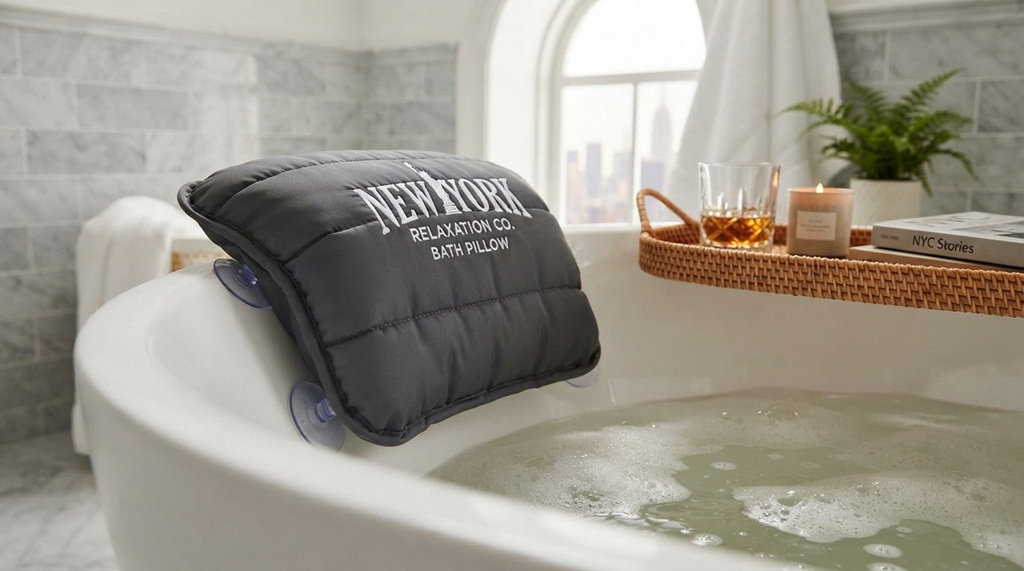
Selecting a bath pillow involves more than just picking the first one you see online. You need to consider your specific bathtub dimensions and your personal bathing habits. A pillow that works for a deep soaking tub might be useless in a standard alcove tub.
First, measure the back edge of your tub. Most pillows are designed to fit standard widths, but if you have a larger or smaller tub, you need to check the product specifications. Second, consider the angle of your tub’s backrest. If you have a deep, sloped tub, you need a pillow with a more pronounced curve to fill the gap between your neck and the tub wall.
Key Features to Prioritize
When comparing options, focus on these practical features rather than marketing buzzwords:
- Ventilation: Some pillows have mesh or perforated sections that allow water to drain away from your head. This prevents the “soggy sponge” feeling.
- Hanging Loop: A sturdy loop allows you to hang the pillow to dry completely after each use. This is critical for longevity.
- Weight: Heavier pillows tend to stay in place better, but they are also harder to suction to curved surfaces. A medium weight with strong suction is ideal.
Step-by-Step Guide to Setting Up Your Bath Pillow
Once you have your pillow, proper installation is key to getting the most out of it. Many people give up on bath pillows because they don’t set them up correctly the first time.
- Clean the Tub Surface: Soap scum, oils, and residue prevent suction cups from adhering. Wipe the back edge of the tub with a clean cloth and a bit of rubbing alcohol or vinegar. Let it dry completely.
- Wet the Suction Cups: Lightly moisten the suction cups with warm water. This creates a better seal than dry rubber against dry porcelain.
- Position and Press: Place the pillow where you want it. Press firmly on the center of each suction cup, working from the middle outward. You should hear a distinct “pop” as each cup locks into place.
- Test the Grip: Gently pull on the pillow to ensure it doesn’t slide. If it moves, re-press the cups.
- Adjust for Comfort: Get in the tub and lie back. The pillow should support your head and neck without pushing your chin to your chest. Adjust the position if necessary.
Common Pitfalls That Ruin Bath Pillows
Preserving the luxury and hygiene of your bath accessory requires as much mindfulness in daily maintenance as it does in the initial setup, ensuring that avoiding common preservation errors extends the lifespan of your investment while protecting your wellness routine from premature wear; similarly, when transitioning from total-body relaxation to targeted musculoskeletal alignment, optimizing your overall posture during rest is equally vital, making it beneficial to explore our guide on how to choose an orthopedic knee pillow for proper spine alignment.
Neglecting to Dry the Pillow Properly
This is the number one killer of bath pillows. Leaving a wet pillow in the tub or folded in a towel creates the perfect environment for mold and mildew. After every use, rinse the pillow with clean water to remove soap residue, squeeze out excess water, and hang it to dry completely. Do not put it away until it is fully dry to the touch.
Using Harsh Cleaners
Bleach and abrasive cleaners can break down the foam core and damage the waterproof backing. Use mild soap and water for regular cleaning. If you need to disinfect, use a diluted vinegar solution.
Ignoring the Suction Cups
Over time, suction cups lose their grip due to mineral buildup. Soak the cups in warm vinegar for 15 minutes every few weeks to dissolve hard water deposits. This restores their sticking power.
Maximizing the Relaxation Experience
Once your pillow is securely in place, you can focus on optimizing the rest of your bath environment. The pillow is the foundation, but the full experience comes from the details.
Consider the water temperature. Extremely hot water can cause dizziness and dry out your skin. Aim for a warm soak around 98°F to 104°F. Add Epsom salts to soothe muscles or a few drops of lavender essential oil to promote calm. Dim the lights and ensure the room is warm enough so you don’t get cold when you get out.
Pairing Your Pillow with Other Accessories
To create a truly spa-like atmosphere, think about what else you can add:
- Bath Tray: A bamboo tray across the tub holds a book, a glass of water, or a candle.
- Waterproof Speaker: Soft music or a guided meditation can deepen the relaxation response.
- Bath Salts: Magnesium flakes or Epsom salts help relax muscles and reduce inflammation.
Maintenance and Cleaning Best Practices
Proper maintenance ensures your bath pillow remains hygienic and functional for years. The frequency of cleaning depends on how often you use it. For weekly users, a deep clean every two weeks is sufficient.
Most pillows have a removable cover that can be thrown in the washing machine on a gentle cycle with cold water. Air dry the cover—do not put it in the dryer, as heat can shrink or warp the fabric. For the foam core, hand wash with a mild detergent and warm water. Rinse thoroughly and squeeze out excess water. Never wring the foam, as this can tear it.
Frequently Asked Questions
How long do bath pillows typically last?
With proper care, a high-quality bath pillow can last between 6 to 12 months. The suction cups and the foam core are the first components to degrade. If you notice the foam losing its shape or the suction cups no longer holding, it is time for a replacement.
Can I use a bath pillow in a jetted tub?
Yes, but you need to be careful. The jets can create currents that might dislodge the suction cups. Ensure the pillow is firmly attached before turning on the jets. Also, avoid placing the pillow directly over the jet openings, as this can block water flow and strain the pump.
Are bath pillows safe for children?
Most bath pillows are designed for adults. Children have different neck support needs and are at a higher risk of slipping. It is best to use pillows specifically designed for children or to avoid them altogether and use a rolled towel for support instead.
How do I stop my bath pillow from sliding?
Sliding is almost always a suction issue. Clean the tub surface thoroughly with alcohol to remove any film. Wet the suction cups slightly before pressing them firmly into place. If the pillow still slides, the suction cups may be worn out and need replacement.
Can I use a bath pillow if I have sensitive skin?
Yes, but you should look for pillows made with hypoallergenic materials and free from latex. The cover fabric should be soft and breathable. Rinse the pillow thoroughly after each use to remove any residual soap or bath oils that could irritate the skin.
Conclusion
Upgrading your bath with a dedicated relaxation pillow is a small change that delivers significant returns in comfort and well-being. By understanding the materials, setting up the suction cups correctly, and committing to a simple maintenance routine, you can turn your standard tub into a personal sanctuary. Don’t settle for a stiff neck and a mediocre soak. Invest in proper support, follow the care guidelines, and make your next bath the most relaxing one you’ve had in months. Your neck and shoulders will thank you.