

Surfing is a sport that demands a lot from your body and your gear. The ocean is unforgiving. Saltwater, sand, and powerful waves put everything to the test. Your swimwear is no exception. Choosing the wrong pair of trunks can turn a great session into an uncomfortable one.
However, with so many options on the market in 2026, finding the right fit can feel overwhelming. This guide breaks it all down for you. Whether you are a beginner catching your first waves or an experienced surfer upgrading your kit, these tips will help you make a smart, confident choice.
Why Surfing Swimwear Is Different from Regular Beachwear
Not all swimwear is built for surfing. Regular beach shorts may look the part, but they often fail in the water. They absorb too much water, drag against your board, and shift around constantly.
Surf-specific swimwear is engineered differently. It hugs your body without restricting movement. It dries fast, stays in place, and resists the harsh effects of saltwater and sun. Additionally, it is designed to reduce friction, which matters a great deal when you are paddling for hours.
Therefore, before you pick up the first pair you see, it is worth understanding what sets surf swimwear apart from the rest.
The Most Important Features to Look For
Great surf swimwear comes down to a handful of key features. Each one plays a specific role in your comfort and performance on the water.
Fabric That Can Handle the Ocean
The fabric is the foundation of everything. You want a material that is stretchy, quick-drying, and resistant to fading. Polyester blends are the most popular choice among surfers. They hold their shape well and dry fast after a session.
Nylon is another strong option. It tends to be softer against the skin and offers excellent stretch. Some high-end products use recycled materials that perform just as well as virgin synthetics. Additionally, these eco-friendly options are becoming more widely available at competitive prices in 2026.
Avoid cotton entirely. It soaks up water, becomes heavy, and takes forever to dry. It also loses its shape quickly with regular ocean use.
Fit and Length
Length and fit affect both comfort and mobility. Board shorts typically fall above the knee for a reason. Longer shorts restrict leg movement when you pop up on the board. However, shorts that are too short may ride up or shift during a wipeout.
A length of 17 to 19 inches works well for most surfers. The fit should be snug but not tight. You need to move freely without the shorts bunching or dragging. Look for a contoured cut with a gusseted crotch, which provides extra range of motion.
Waistband and Closure System
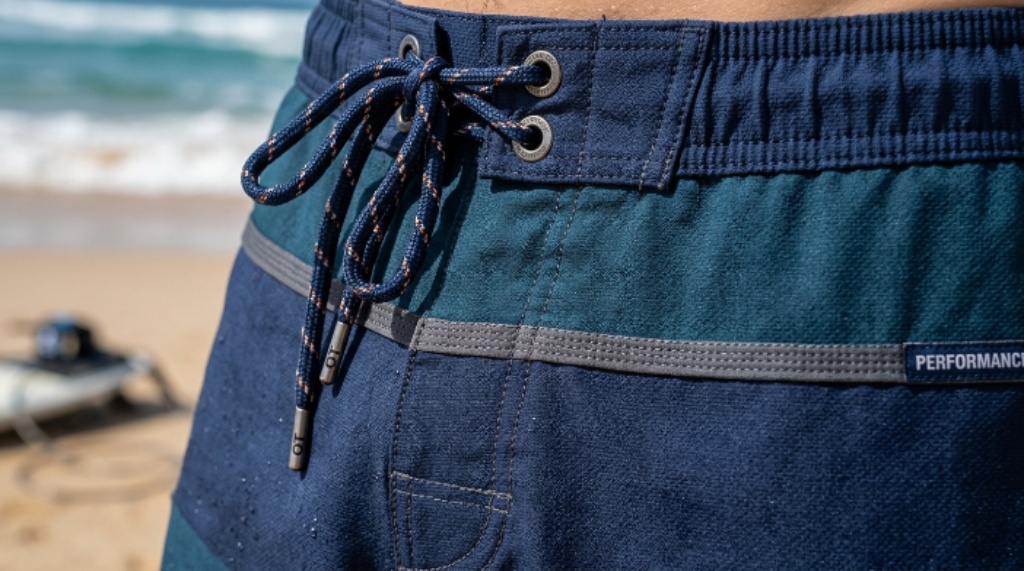
A secure waistband is non-negotiable. Nothing disrupts a surf session like shorts that keep slipping down. Look for a combination of a Velcro fly and a lace-up drawstring. This dual closure keeps everything locked in place through even the most turbulent wipeouts.
Wide, flat waistbands tend to stay in place better than narrow ones. They also distribute pressure evenly, which reduces discomfort during long sessions.
Chafe-Free Construction
Friction is one of the biggest complaints among surfers. Paddling on a board for extended periods creates repetitive rubbing in sensitive areas. This is where anti-chafing trunks offer a real advantage. They are constructed with flat-lock or bonded seams that minimize skin contact. Smooth interior panels and soft linings further reduce irritation.
Additionally, some shorts include a mesh brief liner that adds support and helps prevent chafing from the inside out. This small detail can make a huge difference on a full day at the beach.
Durable Swimwear: What to Expect at Every Price Point
Durable swimwear does not have to mean expensive swimwear. However, price does reflect quality in most cases. Here is what you can generally expect across different budgets.
- Under $30: You will find decent options here for casual surfers. Expect basic polyester fabric, simple closures, and minimal stretch. These work fine for short sessions but may wear out faster with daily use.
- $30 to $60: This is the sweet spot for most recreational surfers. Brands in this range typically offer better stretch fabrics, improved seam construction, and more thoughtful design details. You can find genuinely good surf apparel at this price level.
- $60 to $100 and above: Premium options include technical fabrics, recycled materials, superior stitching, and advanced fit systems. These are built for daily surfers who need maximum performance and longevity.
Therefore, setting a realistic budget before you shop will help you focus on the best options within your range rather than comparing products that serve very different purposes.
Top Brands Worth Knowing in 2026
The surf swimwear market is full of solid brands. A few names consistently stand out for their quality, innovation, and value.
Quiksilver has been a staple in surf culture for decades. Their board shorts are known for reliable construction and surf-forward designs. Billabong is another long-running favorite. They offer excellent stretch fabrics and a wide range of fits.
Hurley, now widely available through various retailers, has embraced performance-first design. Their Phantom series uses lightweight, four-way stretch fabric that many surfers swear by.
Additionally, newer brands like Vissla and Outerknown are making waves in the sustainable surf apparel space. They combine performance with environmental responsibility, which appeals to a growing segment of eco-conscious surfers.
O’Neill, one of the original surf brands, continues to deliver quality across all price ranges. Their shorts are a dependable choice for surfers at every level.
How to Care for Your Surf Shorts to Make Them Last
Even the most durable swimwear will degrade quickly without proper care. The ocean is tough on fabric. Saltwater, chlorine, and UV exposure all break down fibers over time. However, a few simple habits can significantly extend the life of your shorts.
- Rinse your shorts in cold fresh water immediately after every session. This removes salt, sand, and sunscreen residue.
- Hand wash or machine wash on a gentle cycle using a mild detergent. Avoid harsh chemicals or bleach.
- Air dry your shorts in the shade. Direct sunlight fades colors and weakens elastic fibers over time.
- Avoid wringing or twisting wet shorts. This stresses the seams and can distort the shape of the waistband.
- Do not leave wet shorts rolled up in a bag for extended periods. This encourages mold and odor buildup.
Following these steps consistently will keep your shorts performing well session after session.
Rash Guards and Layering: Should You Wear More?
Surf shorts are rarely worn alone in serious sessions. A rash guard is a common companion piece. It protects your upper body from sun, board rash, and cold water.
Short-sleeve rash guards offer good mobility. Long-sleeve versions provide more sun protection and warmth. For colder water, a wetsuit is the more appropriate choice. However, for warm tropical sessions, a rash guard paired with quality surf trunks is the standard setup.
Therefore, when building your surf kit, think of your shorts as part of a system rather than a standalone item. Coordinating your layers will improve both comfort and performance.
Quick Tips for First-Time Buyers
If this is your first time buying surf-specific swimwear, here are a few final pointers to keep in mind.
- Try shorts on in a squat or lunge position to test real-world mobility before buying in store.
- Check the weight of the fabric. Lighter fabrics dry faster and feel more comfortable in warm water.
- Look for reinforced stress points around the pockets and Velcro closures. These areas wear out first.
- Read the care label before buying. Some high-performance fabrics require special washing instructions.
- Buy from brands that offer a warranty or satisfaction guarantee. This shows the brand stands behind its product.
Conclusion
Finding the right swimwear for surfing comes down to knowing what to look for. Focus on quick-drying, stretchy fabric. Prioritize a secure waistband, flat seams, and a comfortable liner. Make sure the fit allows full freedom of movement without being too loose.
Set a realistic budget, explore trusted brands, and take good care of your shorts after every session. Additionally, consider a rash guard as part of your overall surf setup. Together, these steps will ensure you spend more time enjoying the waves and less time dealing with uncomfortable gear.
The ocean is waiting. Make sure you are dressed for it.
Frequently Asked Questions
1. What length of board shorts is best for surfing?
A length of 17 to 19 inches is ideal for most surfers. This length keeps the shorts above the knee, which allows unrestricted leg movement when you pop up on the board. Shorter lengths may shift more during wipeouts, while longer ones can limit mobility.
2. Are board shorts and swim trunks the same thing?
Not exactly. Board shorts are specifically designed for surfing and active water sports. They feature secure closures, stretch fabrics, flat seams, and quick-dry technology. Regular swim trunks are made for casual swimming or beach use and may lack these performance-focused details.
3. How do I prevent chafing while surfing?
Choose shorts with flat-lock or bonded seams and a soft mesh liner. Applying surf wax or anti-chafe balm to friction-prone areas can also help. Wearing a well-fitted pair of anti-chafing trunks made from smooth, low-friction fabric is the most effective long-term solution.
4. How often should I replace my surf shorts?
With proper care, quality surf shorts can last one to two years of regular use. Signs that it is time to replace them include fading fabric, a worn-out waistband, broken Velcro, or a chamois liner that has lost its shape. Frequent surfers may need to replace theirs sooner.
5. Can I use regular swim shorts for surfing?
You can, but it is not recommended for anything beyond casual dabbling. Regular swim shorts are not built for the physical demands of surfing. They tend to drag, shift, and wear out quickly. Investing in purpose-built surf apparel will make a noticeable difference in your comfort and performance from day one.
Related Topics:
How to Cut Wood Accurately: Complete Saw Buying Guide
How to Pick Durable Sofa Fabric for Dogs That Won’t Get Destroyed