
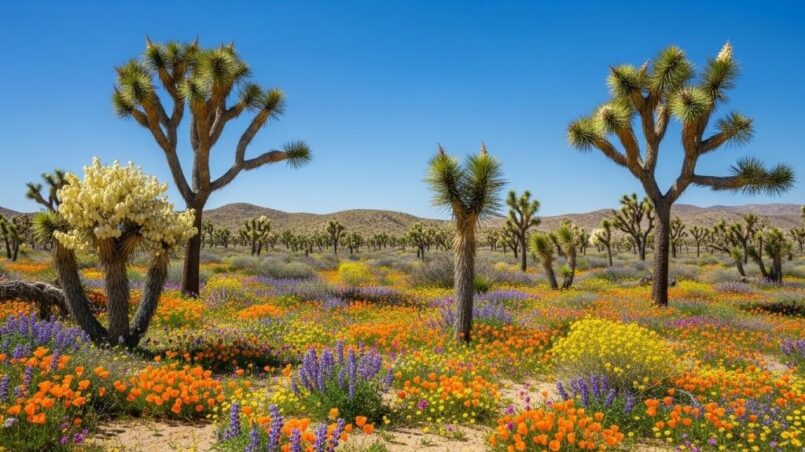
February can be a challenging month for travel in many parts of the United States. Winter weather dominates the northern states, bringing snow and freezing temperatures. However, several regions offer mild weather and stunning natural beauty during this time. These destinations provide the perfect escape for nature lovers seeking warmth and outdoor adventures.
Why February is Ideal for Exploring Warmer Destinations
February offers unique advantages for travelers seeking mild climates. Many popular summer destinations experience fewer crowds during this month. Additionally, accommodation prices often drop compared to peak season rates. The weather remains comfortable for hiking, wildlife watching, and exploring natural landscapes.
Winter elsewhere means pleasant conditions in southern states. Temperatures typically range from the 60s to 70s Fahrenheit. This climate allows visitors to enjoy outdoor activities without extreme heat or cold. Furthermore, February brings blooming wildflowers to some regions, creating spectacular natural displays.
Southern California: Desert Beauty and Coastal Charm
Southern California presents an excellent choice for February travel. The deserts surrounding Palm Springs offer warm days and cool nights. Temperatures typically reach the mid-70s, making it perfect for hiking and exploration.
Joshua Tree National Park showcases unique desert landscapes during this month. The iconic Joshua trees stand against clear blue skies. Rock formations provide excellent opportunities for photography and climbing. Moreover, the cooler February temperatures make hiking more comfortable than summer visits.
The coastal regions of Southern California also shine in February. San Diego enjoys mild temperatures around 65 degrees. Visitors can explore Torrey Pines State Natural Reserve, which features dramatic coastal bluffs and rare pine trees. The beaches remain accessible for walking and tidepooling, though swimming might be chilly.
Anza-Borrego Desert State Park becomes particularly attractive in February. This massive park often experiences its famous wildflower bloom during late February. Thousands of desert flowers carpet the landscape in vibrant colors. Therefore, nature photographers and botanists flock to this area during this brief blooming period.
Arizona: Canyon Country and Saguaro Forests
Arizona offers some of the most spectacular natural scenery in February. The southern portion of the state enjoys comfortable temperatures in the 70s. Phoenix and Tucson serve as excellent base camps for exploring surrounding natural areas.
Saguaro National Park presents an iconic southwestern landscape. The massive saguaro cacti stand like sentinels across the desert. February provides ideal conditions for hiking among these giants. The park features numerous trails ranging from easy walks to challenging climbs.
Sedona captivates visitors with its red rock formations year-round. However, February offers particularly pleasant conditions for exploration. Temperatures hover around 60 degrees, perfect for hiking popular trails like Cathedral Rock or Devil’s Bridge. The striking red cliffs contrast beautifully against winter’s occasional snow dustings on higher peaks.
The Grand Canyon’s South Rim remains accessible in February. While cooler than desert areas, temperatures still reach the 40s and 50s. Fewer tourists visit during winter, allowing for more intimate experiences with this natural wonder. Additionally, occasional snow creates magical scenery along the canyon rim.
Florida: Everglades and Coastal Ecosystems
Florida stands out as a premier February destination for nature enthusiasts. The state’s subtropical climate provides warm temperatures typically in the 70s and 80s. Moreover, February falls within the dry season, reducing humidity and rainfall.
Everglades National Park reaches its peak season in February. The dry conditions concentrate wildlife around water sources, improving viewing opportunities. Visitors can spot alligators, wading birds, and manatees more easily during this month. The park offers various exploration methods, including hiking trails, kayaking routes, and tram tours.
The Florida Keys provide a unique tropical experience within the United States. Key Largo and surrounding areas feature excellent snorkeling and diving opportunities. The clear winter waters allow for spectacular views of coral reefs and marine life. Furthermore, temperatures remain comfortably warm for water activities.
Sanibel Island attracts shell collectors and bird watchers throughout February. The J.N. “Ding” Darling National Wildlife Refuge protects crucial habitat for numerous bird species. Visitors can observe roseate spoonbills, wood storks, and various herons. The beaches remain pristine and less crowded than summer months.
Texas: Hill Country and Big Bend Wilderness
Texas offers diverse natural landscapes perfect for February exploration. The state’s size means visitors can choose between different ecosystems and experiences. Central and West Texas provide particularly appealing options during this month.
Big Bend National Park represents one of America’s most remote and spectacular parks. February brings comfortable temperatures to this desert landscape. Daytime highs typically reach the 60s and 70s, ideal for hiking. The park features mountains, canyons, and the Rio Grande River, offering varied terrain for exploration.
The Chisos Mountains within Big Bend provide excellent hiking opportunities. Trails lead through diverse ecosystems, from desert floor to mountain woodlands. Wildlife sightings might include roadrunners, javelinas, and various bird species. Therefore, bringing binoculars enhances the experience significantly.
Texas Hill Country begins awakening in February. While not yet peak wildflower season, early bloomers start appearing. The region’s natural springs and rivers remain accessible for exploration. Enchanted Rock State Natural Area offers granite dome hiking with panoramic views of surrounding landscapes.
According to National Park Service data, February visitation numbers remain lower than peak months, providing more solitude for nature seekers.

Louisiana: Bayous and Wildlife Refuges
Louisiana presents a different type of natural beauty in February. The state’s wetlands and bayous teem with life during this month. Temperatures hover around 60 to 70 degrees, comfortable for outdoor exploration.
Jean Lafitte National Historical Park and Preserve protects significant wetland ecosystems near New Orleans. Boardwalk trails allow visitors to explore swamps safely. Alligators become more active as temperatures warm. Additionally, the park hosts numerous bird species, making it a birding hotspot.
The Atchafalaya Basin represents America’s largest river swamp. Guided boat tours reveal the area’s unique ecosystem. Bald cypress trees draped with Spanish moss create an otherworldly atmosphere. February’s mild weather makes these water-based explorations particularly enjoyable.
Avery Island, home to the famous Tabasco factory, also features Jungle Gardens. This 170-acre nature preserve showcases native plants and wildlife. The Bird City sanctuary hosts thousands of egrets and herons. Furthermore, alligators sun themselves along the waterways throughout the property.
Planning Your February Nature Escape
Successful February trips require some planning considerations. Booking accommodations early ensures better rates and availability. Many destinations experience increased visitation during winter months, especially around President’s Day weekend.
Packing appropriately enhances comfort during your trip. Layers work well for fluctuating temperatures between morning and afternoon. Sunscreen remains essential despite cooler temperatures. Additionally, bringing quality hiking shoes ensures comfort on trails.
Researching specific park conditions before departure proves valuable. Some areas might experience temporary closures due to weather or maintenance. Checking official park websites provides current information. Moreover, ranger-led programs often operate on different schedules during winter months.
Wildlife viewing requires patience and proper equipment. Binoculars enhance bird watching and distant animal observations. Cameras with telephoto lenses capture memorable moments. However, always maintain safe distances from wildlife, following park guidelines.
Conclusion
February offers excellent opportunities for exploring nature across the United States. Southern states provide mild temperatures perfect for outdoor activities. From California’s deserts to Florida’s wetlands, diverse ecosystems await discovery. Arizona’s canyons, Texas’s wilderness, and Louisiana’s bayous each offer unique experiences.
These destinations combine comfortable weather with reduced crowds. Nature enthusiasts can enjoy hiking, wildlife watching, and photography under ideal conditions. Therefore, February proves to be an underrated time for domestic nature travel. Planning ahead ensures memorable experiences in these beautiful locations.
Whether seeking desert landscapes, coastal environments, or subtropical wetlands, February delivers. The mild temperatures make exploration comfortable and enjoyable. Additionally, the natural beauty of these regions shines during this transitional month between winter and spring.
Frequently Asked Questions
What is the warmest place to visit in the USA in February for nature lovers?
South Florida and the Florida Keys typically offer the warmest temperatures, ranging from 75 to 80 degrees Fahrenheit. The Everglades and surrounding areas provide excellent nature experiences with consistent warmth and abundant wildlife viewing opportunities.
Are national parks crowded in February?
Most national parks experience lighter crowds in February compared to summer months. However, popular winter destinations like those in Arizona and Southern California see increased visitation during this time. Weekdays typically offer more solitude than weekends.
What should I pack for a February nature trip to warm US destinations?
Pack layers including light long sleeves, shorts, and a light jacket for cooler mornings. Essential items include sunscreen, a hat, comfortable hiking shoes, and insect repellent for some regions. Binoculars and a camera enhance wildlife viewing experiences.
Is February a good time to see wildflowers in the desert?
Late February marks the beginning of desert wildflower season in Southern California and Arizona. Anza-Borrego Desert State Park often sees early blooms. However, peak wildflower season typically occurs in March, depending on winter rainfall amounts.
Can you swim in the ocean in February in the USA?
Ocean swimming in February works best in South Florida and Hawaii, where water temperatures remain warm. California and Gulf Coast waters feel quite cold for most swimmers. However, activities like beachcombing, tidepooling, and coastal hiking remain enjoyable in these locations.
Related Topics: