

Skating has become increasingly popular among adults who want to relive childhood memories or start a new fitness journey. However, many people assume that protective gear works the same way regardless of age. This assumption could lead to serious injuries and discomfort. Understanding the differences between adult and children’s protective equipment helps skaters make informed decisions about their safety.
The protective gear market has evolved significantly over the years. Manufacturers now recognize that adults and children have vastly different physical needs. Body proportions, weight distribution, and impact forces vary considerably between age groups. Therefore, buying the right equipment matters more than simply grabbing any available protective gear.
Understanding Size and Proportion Differences
Adult bodies differ from children’s bodies in numerous ways beyond simple height measurements. Adults typically have broader shoulders, longer limbs, and different joint angles compared to kids. These physical differences directly impact how protective equipment should fit and function.
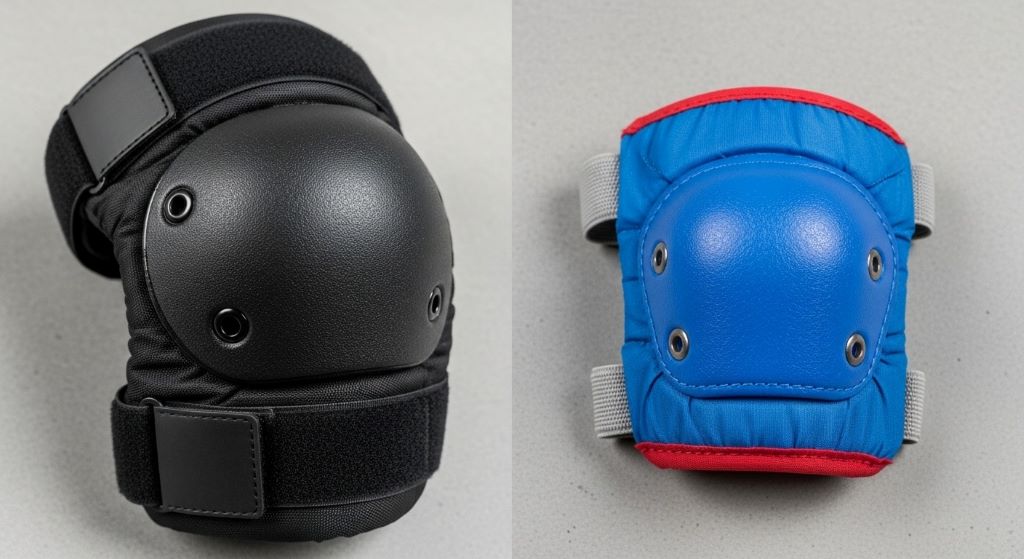
Children’s skate gear usually comes in smaller sizes with simpler adjustment mechanisms. The padding tends to be lighter and less dense because kids weigh less and generate lower impact forces. Additionally, children’s gear often features bright colors and cartoon characters to make wearing protection more appealing.
Conversely, skate pads for adults require more substantial construction. The sizing ranges accommodate various body types, from slim builds to athletic frames. Adult gear focuses on functionality rather than playful designs. Most manufacturers offer multiple size options within the adult category to ensure proper fit across different body types.
Material Quality and Durability Standards
The materials used in adult skateboard safety equipment must withstand greater forces and more frequent use. Adults generally skate more aggressively and at higher speeds than children. This reality demands stronger materials that can endure repeated impacts without breaking down.
Children’s protective gear often uses basic foam padding with thin plastic shells. These materials work adequately for learning basic skating skills at slower speeds. However, they would quickly fail under the stress of adult skating activities. The stitching and velcro closures on kids’ gear also tend to be less robust.
Adult protective equipment incorporates high-density foam, reinforced stitching, and industrial-strength velcro or buckle systems. Many premium options include moisture-wicking fabrics that help manage sweat during extended skating sessions. The outer shells use impact-resistant plastics that can handle significant force without cracking. Some advanced models even feature multi-layer padding systems that absorb shock more effectively.
Weight Capacity and Impact Protection
One of the most critical differences lies in how much force the gear can safely absorb. Adults weigh considerably more than children, which means falls generate much greater impact energy. Protective equipment must be engineered to handle these increased forces.
Kids’ skate pads are designed for bodies weighing between 40 and 100 pounds typically. The padding thickness and density reflect these lower weight ranges. When an adult wears children’s gear, the padding compresses completely upon impact, offering minimal protection. The result could be bruises, fractures, or worse injuries.
Adult gear accounts for weights ranging from 120 pounds to well over 250 pounds. The padding remains thick enough to cushion falls even under these heavier loads. Engineers test adult protective equipment against higher impact standards to ensure adequate protection. This rigorous testing process separates quality adult gear from inadequate alternatives.
Fit and Comfort Considerations
Proper fit makes the difference between effective protection and wasted money. Ill-fitting gear shifts during movement, leaving vulnerable areas exposed. Moreover, uncomfortable equipment discourages consistent use, defeating its purpose entirely.
Children’s protective gear typically uses elastic straps and simple velcro closures. These fastening systems work well for kids whose limbs are relatively straight and uniform in diameter. However, adult limbs have more pronounced muscle definition and varied proportions. Standard kids’ closures cannot accommodate these anatomical differences.
Skate pads for adults feature sophisticated adjustment systems with multiple straps and pivot points. These mechanisms allow wearers to customize the fit around their specific body shape. Many adult knee pads include articulated joints that bend naturally with the leg during movement. Elbow pads often have contoured designs that match the arm’s natural curvature. These engineering details ensure the gear stays in place during intense skating sessions.
Joint Support and Flexibility Balance
Adults face different physical challenges than children when skating. Mature bodies require additional joint support to prevent strain and overextension. Simultaneously, the gear cannot restrict movement so much that it prevents proper skating technique.
Children possess naturally flexible joints and ligaments that recover quickly from minor strains. Their protective gear can be relatively simple without extensive joint stabilization features. Kids also tend to fall differently than adults, often rolling through impacts instinctively.
Adult bodies need protective equipment that offers strategic support without causing stiffness. Many high-quality options include reinforced sections around the kneecap and elbow joint. These reinforcements provide stability during high-impact activities while allowing natural range of motion. The balance between protection and mobility requires careful design consideration that children’s gear typically lacks.
Design Philosophy and Aesthetic Choices
The visual appearance of protective gear matters differently to adults compared to children. While this might seem superficial, aesthetics influence whether people consistently wear their safety equipment.
Manufacturers design kids’ gear with bright colors, fun patterns, and popular character themes. These design choices help overcome children’s resistance to wearing bulky protective equipment. Parents often struggle to convince kids that safety gear is necessary, so appealing designs serve an important purpose.
Adult skateboard safety equipment takes a more minimalist approach. Most options come in black, gray, or other neutral colors that match various skating styles. The designs emphasize sleek profiles that look professional rather than childish. Some brands offer customization options, but the overall aesthetic remains mature and understated. Adults want gear that looks serious and performs reliably rather than standing out with flashy designs.
Price Points and Value Propositions
Cost represents another significant difference between adult and children’s protective gear. The price gap reflects the superior materials, engineering, and testing that adult equipment requires.
Parents can find basic children’s protective sets for relatively low prices at discount retailers. These budget options suffice for occasional recreational skating under supervision. Since children outgrow gear quickly, investing heavily in top-tier equipment makes less financial sense for many families.
Adult gear commands higher prices because it must last longer and perform better. Quality sets cost significantly more than children’s options, but this investment pays off in superior protection and durability. Adults typically use the same gear for years rather than outgrowing it within months. Therefore, spending more upfront makes economic sense when calculated over the equipment’s lifespan.
Ventilation and Temperature Management
Adults generate more body heat during physical activity than children do. This increased heat production makes ventilation a crucial consideration for adult protective gear.
Children’s skate pads often lack sophisticated ventilation systems. Kids generally tolerate some discomfort better and typically skate for shorter periods. Their smaller body mass also means less heat accumulation inside protective equipment.
Quality skate pads for adults incorporate strategic ventilation channels and breathable materials. Mesh panels allow air circulation while maintaining structural integrity. Some premium models use perforated foam that enhances airflow without compromising protection. These features keep adults comfortable during extended skating sessions, reducing the temptation to remove gear prematurely.
Adjustability and Long-Term Use
The ability to adjust gear over time provides significant value for adult skaters. Bodies change due to fitness improvements, muscle gain, or weight fluctuations. Equipment that accommodates these changes extends its useful life considerably.
Children’s protective gear offers limited adjustability because kids will outgrow it regardless. Simple elastic straps provide enough flexibility for the short period that children use each size. Parents expect to replace kids’ gear regularly as children grow.
Adult equipment features extensive adjustment ranges through multiple strap positions and sliding closures. These adjustment mechanisms allow the same gear to fit properly through minor body changes. Additionally, high-quality adult gear maintains its structural integrity over years of use, making the adjustment features worthwhile. Investing in adjustable equipment saves money and ensures consistent protection.
Certification Standards and Safety Testing
Regulatory standards for protective equipment vary between children’s and adult categories. Understanding these differences helps consumers make informed purchasing decisions.
Children’s products face strict safety regulations in many countries. Manufacturers must meet specific requirements regarding materials, choking hazards, and toxic substances. However, impact protection standards may be less rigorous because testing assumes lower forces.
Adult skateboard safety gear undergoes different certification processes focused on high-impact protection. Organizations test adult equipment against standards that reflect real-world adult skating scenarios. Quality manufacturers voluntarily exceed minimum requirements, conducting extensive testing to ensure their products perform reliably. Looking for recognized safety certifications helps identify truly protective gear versus marketing claims.
Making the Right Choice for Your Needs
Selecting appropriate protective equipment requires honest assessment of your skating activities and skill level. Adults who casually skate on smooth paths have different needs than those attempting tricks at skate parks.
Beginners should invest in comprehensive protection even if they plan to skate conservatively. Falls happen unpredictably, and proper gear prevents injuries that could end skating careers before they start. Intermediate and advanced skaters need premium equipment that can withstand aggressive skating and frequent impacts.
Never compromise safety by using children’s gear to save money. The potential medical costs and recovery time from preventable injuries far exceed the price difference between kids’ and adult protective equipment. Proper skate pads for adults provide peace of mind and allow you to progress your skills safely.
Conclusion
The differences between adult and children’s protective skating gear extend far beyond simple size variations. Material quality, impact resistance, fit systems, and design philosophy all vary significantly between age categories. Adults require equipment engineered to handle greater forces, provide superior comfort, and withstand years of use. While adult skateboard safety gear costs more initially, this investment protects against serious injuries and supports long-term skating enjoyment. Choosing age-appropriate protective equipment demonstrates commitment to safe skating practices and ensures you can enjoy this rewarding activity for years to come.
Frequently Asked Questions
Can adults use oversized kids’ protective gear to save money?
No, even the largest children’s protective gear cannot provide adequate protection for adults. The padding density, impact ratings, and structural design of kids’ gear assume lower weights and forces. Using children’s equipment puts adults at serious risk of injury even during minor falls.
How often should adults replace their skate pads?
Replace protective gear when you notice cracked shells, compressed padding that doesn’t bounce back, torn straps, or weakened velcro. With proper care, quality adult gear typically lasts several years. However, after any significant impact that damages the equipment, immediate replacement is necessary.
Do professional skaters use the same gear as recreational adult skaters?
Professional skaters often use specialized gear designed for their specific disciplines. However, recreational adults benefit from similar protection levels. Many professionals actually prefer minimalist gear for performance reasons but accept higher injury risks that recreational skaters should avoid.
What’s the most important piece of protective equipment for adult skaters?
Helmets protect against the most serious injuries and should never be optional. After helmets, knee pads rank as most important because knee injuries are common and can cause long-term mobility problems. Complete sets including elbow and wrist protection offer the best overall safety.
Are expensive adult skate pads always better than budget options?
Higher prices generally indicate better materials and construction, but not always. Research brands, read reviews, and check safety certifications rather than assuming price equals quality. Mid-range options from reputable manufacturers often provide excellent protection without premium price tags.
Related Topics:
Can You Put Epsom Salt in a Hot Tub
5 Natural remedies to combat heartburn medicine
